
Net metering · Jammu Division
Net Metering for Rooftop Solar in Jammu: The Basics
Understand how a grid-connected solar system, a bidirectional meter and the utility approval process fit together.
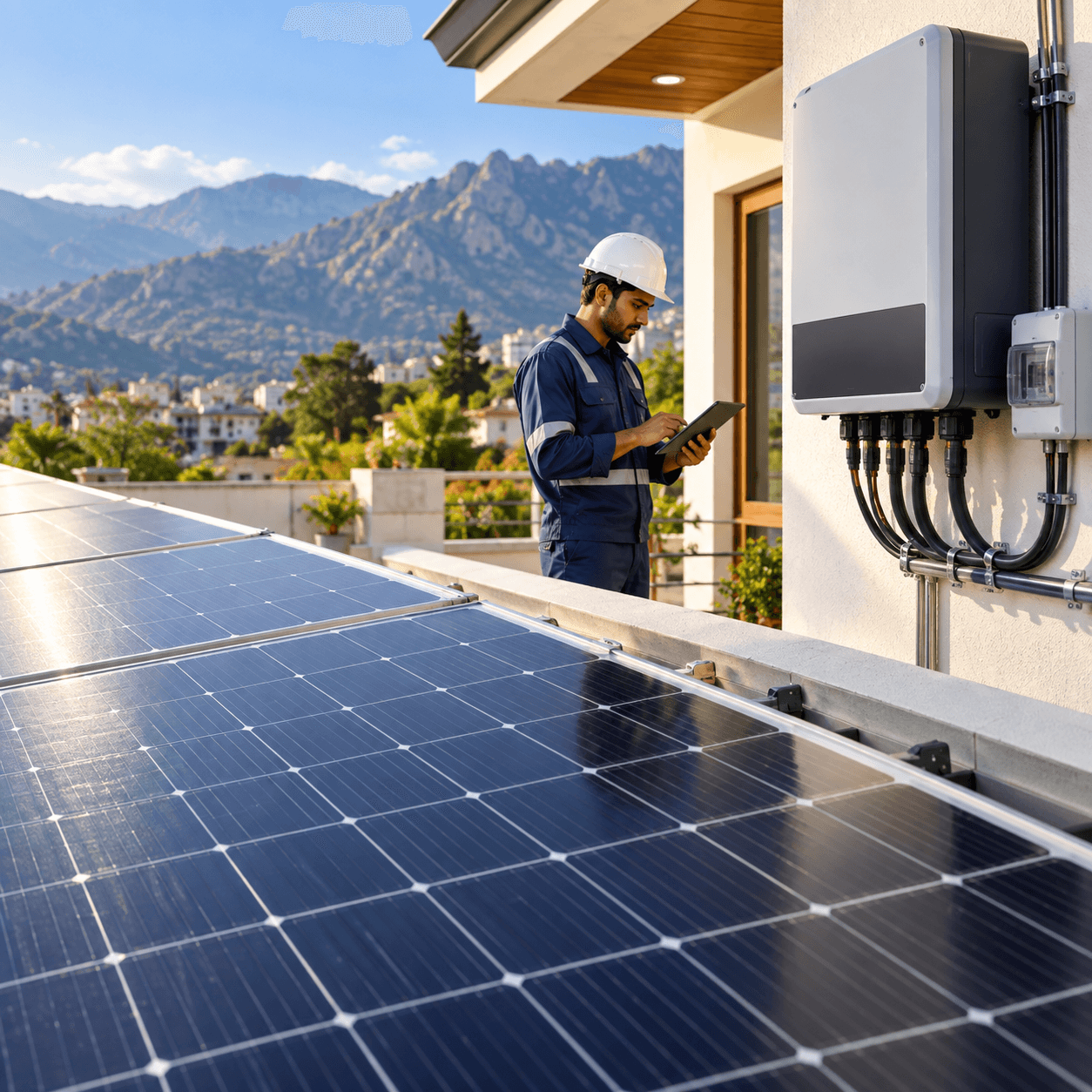
What a net meter does
A grid-connected rooftop system can supply power to your home when the sun is available. When generation exceeds the home’s use, eligible surplus may flow to the grid; when solar output is low, the home draws electricity from the grid. A bidirectional meter records the relevant flows under the applicable utility arrangement.
The way credits and charges appear on a bill depends on current regulations, the connection and the approved system. Ask your distribution utility or installer to explain the billing method that applies to your account.
Approvals come before assumptions
Grid connection and meter steps require utility processes. Ask who prepares the application, which documents are needed, and whether the proposed capacity is suitable for your sanctioned load and connection. For Jammu consumers, confirm the current instructions with the relevant distribution utility.
Do not assume a system can export power or receive credits before the approvals and meter configuration are complete. Keep copies of applications and approval messages for your records.
Questions to ask your installer
A good proposal should separate installation work from utility timelines, since approval and meter scheduling can depend on the utility. Ask what the installer will handle, what you must submit, and how you will know when the system can be commissioned.
Net metering is one part of a rooftop solar project. Roof suitability, equipment quality, safe wiring and a clear handover plan still matter for a reliable installation.